Just a moment…
We're loading the next experience for you. This won't take long.
We're loading the next experience for you. This won't take long.
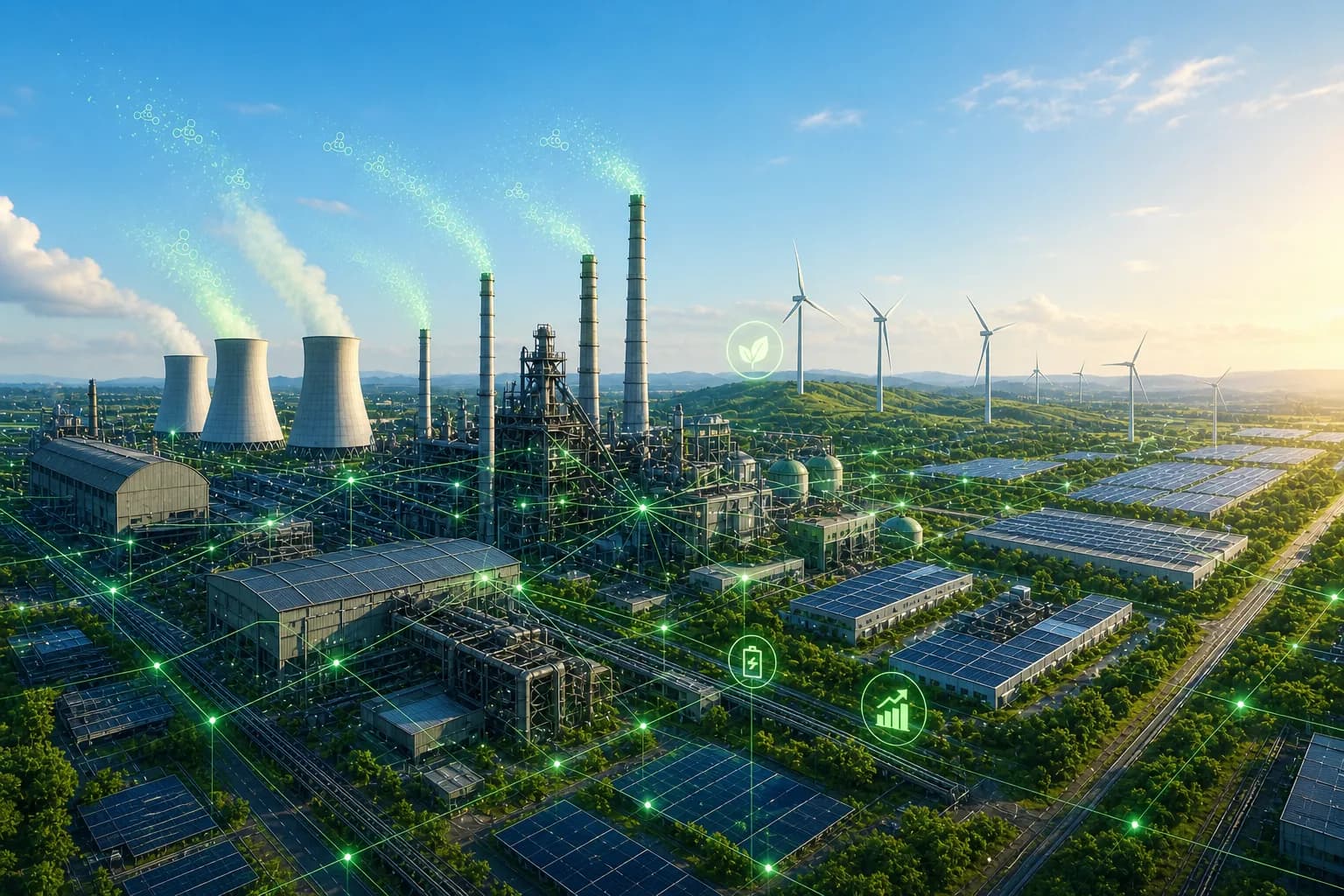
The I-DNTITI Hub is a bilateral strategic initiative bridging the UK and Egypt. We are deploying advanced Industry 4.0 telemetry and predictive computational engines to catalyze industrial decarbonization, foster cross-border knowledge exchange, and ensure socio-economic inclusion in the global transition to carbon neutrality.
I-DNTITI is a 24-month high-impact initiative. The project is supported by British Council's Research Collaborations Programme Project No. 1203750631, and the STDF Project No. 50190, under the International Science Partnerships Fund (ISPF) . We are pioneering a secure, sovereign digital ecosystem designed to monitor, predict, and steer industrial clusters toward rigorous Net-Zero benchmarks. By synthesizing real-time Greenhouse Gas (GHG) telemetry with advanced predictive analytics, we provide the computational intelligence required for the Egyptian manufacturing sector to thrive in a carbon-constrained global economy.
Before engineering solutions, we must decode the complexity of the Egyptian industrial landscape. WP1 focuses on high-level policy dialogue and multi-dimensional needs assessments to pinpoint the structural and technical barriers stalling the transition to carbon neutrality. We turn raw industrial challenges into a structured data baseline.
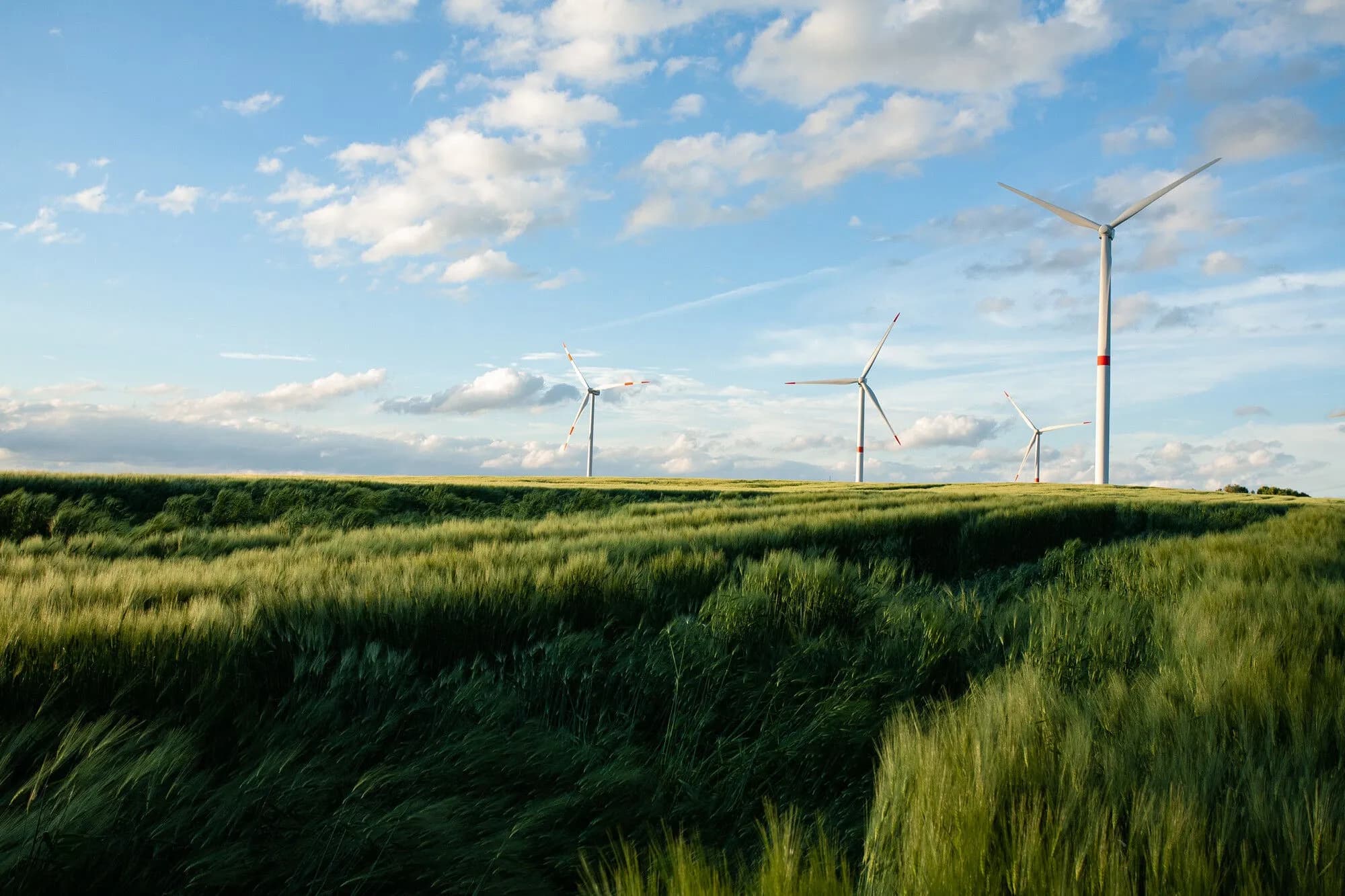
At the heart of I-DNTITI lies a high-performance computational engine. We are building a secure, real-time telemetry hub that leverages Industry 4.0 predictive analytics. This engine doesn't just monitor GHG emissions—it facilitates autonomous resource matchmaking and industrial symbiosis, ensuring assets are optimized for maximum efficiency and minimum footprint.
Computation
1,240 Jobs/s
Net-Zero Gap
-3.2% ↓ Trend
> ATENGAPI_ORCHESTRATOR_RUNNING
> RESOURCE_MATCH: Found 2 matches
> BROADCAST: NATS_JetStream_OK
Technology is only as powerful as the people who command it. WP3 bridges the digital divide through user-centered design and bilateral knowledge exchange. We empower the workforce—from operators on the plant floor to C-suite strategists—ensuring that the transition to a digital, green economy is inclusive, equitable, and permanent, leading the world towards industry 5.0.

"We are not merely building a tool, but a transformative digital infrastructure that converts environmental commitment into industrial advantage—securing a sustainable future for the Egyptian workforce within the global green economy."

Egyptian and British team members of the I-DNTITI project had two successful field visits to two of the top companies in Egypt; Suez Steel Company representing the Iron & Steel sector and El-Nasr for fertilizers & chemical industries Co. (SEMADCO), representing the Chemical Industries sector.

𝗩𝗶𝘀𝗶𝘁 𝗯𝘆 University of Lincoln 𝗦𝗰𝗵𝗼𝗼𝗹 𝗼𝗳 𝗘𝗻𝗴𝗶𝗻𝗲𝗲𝗿𝗶𝗻𝗴 𝘁𝗲𝗮𝗺 𝘁𝗼 The British University in Egypt - Faculty of Engineering 🇪🇬 🇬🇧 The British University in Egypt - Faculty of Engineering welcomed staff from University of Lincoln; Dr. Faiz Iqbal, Assoc. Prof. Aliyu M. Aliyu, and Dr. Suneela Sardar. Chaired by our Dean, Prof. Maguid Hassan, the delegate had a fruitful meeting with FoE staff (Mechanical and Chemical Engineering Departments). We were happy to have Dr. David Lock, Secretary-General of Magna Charta Observatory, during this meeting where he highlighted the matching of this collaboration with the Magna Charta objectives.

It is my pleasure to share that we have successfully organised: 𝗘𝗴𝘆𝗽𝘁-𝗨𝗞 𝘄𝗼𝗿𝗸𝘀𝗵𝗼𝗽 𝗼𝗻 𝗗𝗶𝗴𝗶𝘁𝗮𝗹 𝗘𝗻𝗲𝗿𝗴𝘆 𝗠𝗮𝗻𝗮𝗴𝗲𝗺𝗲𝗻𝘁 𝘁𝗼𝘄𝗮𝗿𝗱𝘀 𝗡𝗲𝘁-𝗭𝗲𝗿𝗼 𝗧𝗿𝗮𝗻𝘀𝗶𝘁𝗶𝗼𝗻 Held on Sunday 5th of April 2026 at The British University in Egypt.





Tracking and managing energy intensities across heavy manufacturing pipelines.
Deploying secure, on-prem systems architecture for modern industrial facilities.
Real-time auditing and predictive analysis for net-zero manufacturing targets.
Bridging academic institutional frameworks with heavy industrial field pilots.